

Hello again there, folks. If béchamel is the most commonly used French mother sauce, then surely its favourite “‘daughter” is Mornay sauce, or as it’s sometimes called, “cheese sauce.”
What is Mornay sauce?
Mornay sauce is a cheese sauce derived from béchamel. If you know how to make béchamel sauce, then Mornay sauce is an absolute breeze.
A Mornay is a cheese sauce, and while there are other ways to make a cheese sauce, béchamel is truly magical because it is the best base for incorporating cheeses without it turning grainy or separating the fats.
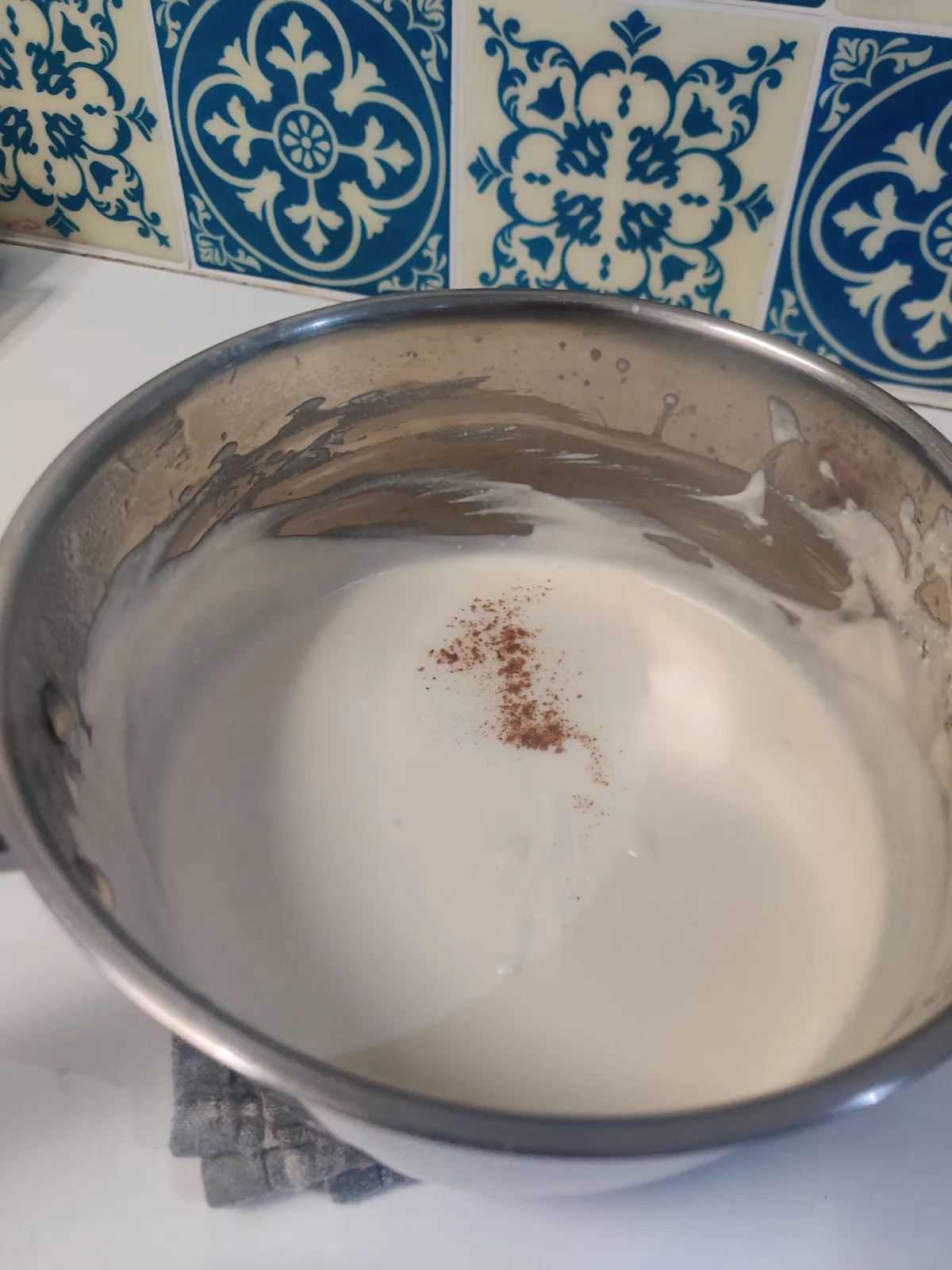

Mornay’s origins are all over the place. Some say it comes from the town of Mornay, France, while others attribute it to a 16th century French diplomat. Whatever the case, Mornay sauce is certainly worth having in your repertoire.
Ingredients in Mornay sauce
Ladies and gentlemen, it really doesn’t get much easier than this: add cheese to your béchamel and you’ve got a Mornay sauce. Here are the ingredients in a little more detail:
- Béchamel Sauce: the sauce is built on a béchamel, which is essentially a roux plus milk/cream or a combination of milk and cream. Nutmeg is commonly added, and a bay leaf along with a clove-studded half onion or a pinch of pepper can be added to the béchamel.
- Cheese: traditionally, a Mornay sauce should have grated gruyère and parmesan. These cheeses are excellent, but good substitutes include emmental, comté, and grana padano. Cheddar makes the Mornay more of a mac and cheese sauce – not traditional, but fantastic nonetheless.
You’ll sometimes see the addition of an egg or just the yolk in a Mornay. This recipe doesn’t use egg, but add it right after the béchamel has boiled and before adding the cheese if you want.
What can I make with Mornay sauce?
Mornay sauce can be used for all sorts of dishes ranging from baked casseroles to gratins to coating vegetables, or even as a lovely dip.
Specifically, Mornay is used in Croque Monsieur and Croque Madame to cover these beautiful sandwiches.
It’s also the cheese used in mac and cheese, although purists can argue that technically a Mornay shouldn’t use cheddar, or that mac and cheese doesn’t use Mornay at all.
In any case, it’ll work wonderfully in mac and cheese with a sharp cheddar (and I like to use a lot of cheddar for mac and cheese).
Mornay can also work excellently in lasagne. Traditionally, a béchamel is the go-to sauce for lasagne, but a Mornay just adds more cheese to a dish already quite generous in cheese. More cheese is a good thing, isn’t it?
Tips & tricks for homemade Mornay sauce
Cheese doesn’t behave well under heat, and well, you need heat to make a sauce. Béchamel is great at absorbing cheeses, especially hard or semi-hard cheeses, and turning the sauce creamy rather than clumpy or grainy.
That being said, cheeses can still break in your béchamel and make your Mornay grainy or clumpy.
Firstly, try to stick to gruyère or comté as your main cheeses rather than soft cheeses. Mozzarella, brie, and many other cheeses can work with a Mornay, but you might find them harder to work into a good sauce than good ol’ gruyère.
The biggest tip for Mornay is to always grate your cheese fresh and quite small, and only add in a handful at a time.
Stir in a handful, then as it starts to incorporate and thicken the sauce, add another clump, repeating until you’ve used up all the cheese.
Lastly, be gentle with your salt. Parmesan and similar hard cheeses have a high salt content already. Do a taste test and adjust as necessary.

Description
Mornay sauce is a derivative of béchamel sauce, one of the most common French mother sauces, and it's incredibly easy to make if you already know how to make béchamel. It is simply béchamel with grated cheese.
Skip to the second section if you already have béchamel prepared, or simply follow from the start to build a Mornay from scratch.
Ingredients
Béchamel Sauce
Béchamel Seasonings (optional)
Cheese
Instructions
Make the Béchamel
-
(Optional): Slice an onion in half and peel it. Insert two cloves in the round surface.
-
In a medium saucepan on medium-low heat, melt 2 tbsp butter. Sprinkle in 2 tbsp flour and whisk/stir continuously for about 2-3 minutes, then remove from heat.
-
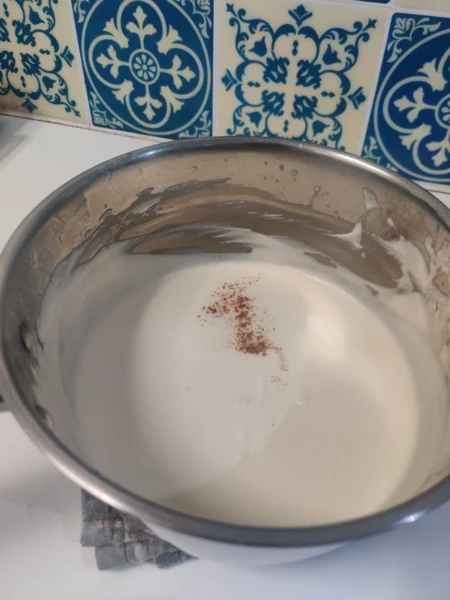
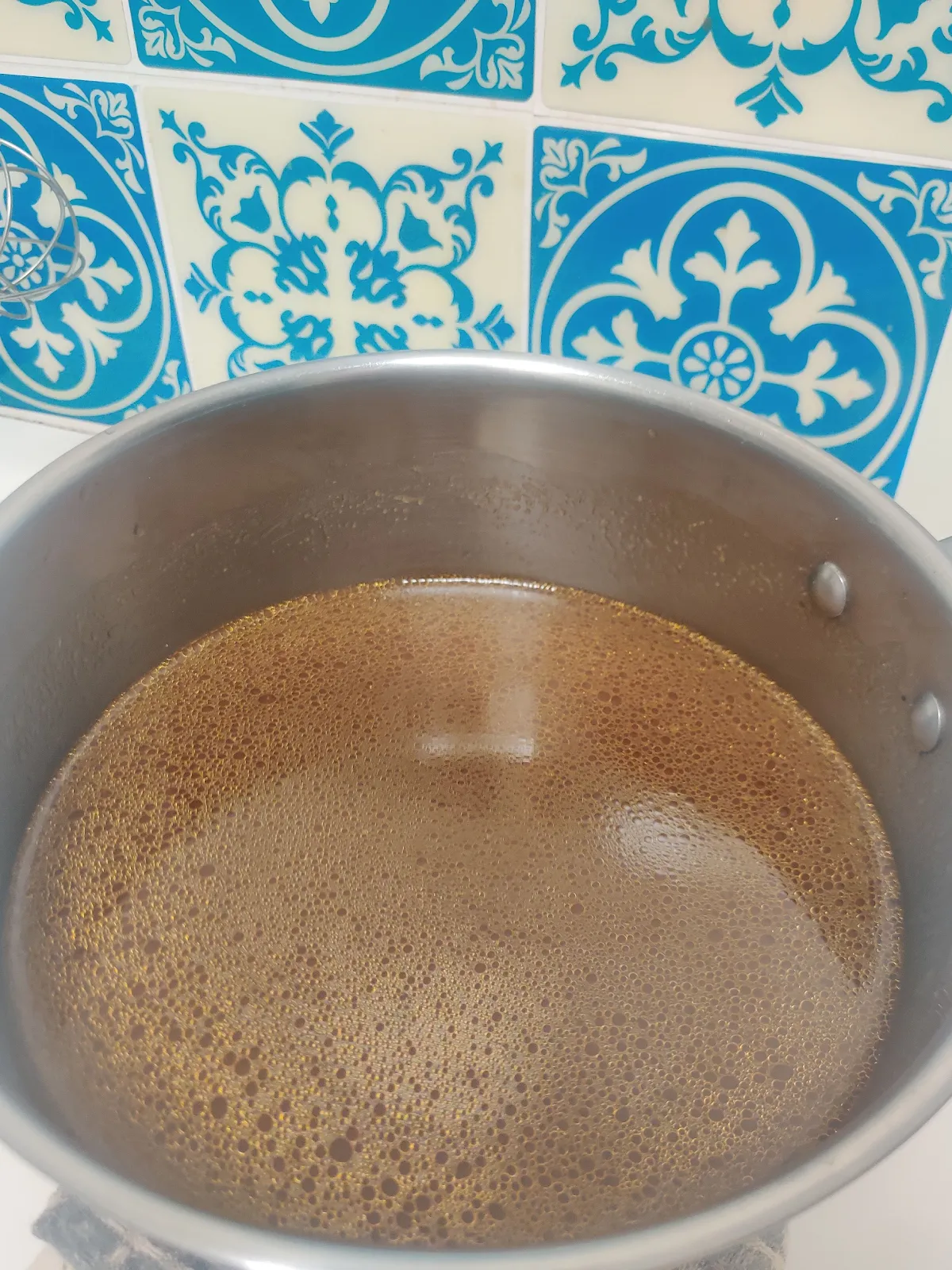
In a separate saucepan, add the milk, onion, and all seasonings. Gradually bring to a boil. Stir occasionally. Remove from heat when boiling.
-
Remove the onion and bay leaf from the milk. Pour a little into the roux, stirring continuously. Continue adding more milk, a little at a time, while whisking, until all milk has been added.
-
Gradually bring to a boil, then allow it to boil for about 2 minutes while frequently stirring. Remove from heat.
Making the Mornay
-
Add a handful of the grated gruyère to the béchamel, whisking/stirring it in until incorporated. As the sauce thickens and the cheese has begun to melt into the sauce, repeat this step until all gruyère has been added.
-
Add a handful of the grated parmesan and whisk/stir it in, adding more when it begins melting into the sauce.
If your cheese isn't melting, place the saucepan back on the hob and set it to low heat. -
Serve immediately, or allow to cool about 15 minutes before storing in an airtight container in the refrigerator. Cover with a lid or plastic wrap to prevent a film from forming on top of the sauce.
Note
- Storage: best served fresh, but can be refrigerated for up to 3 days in the refrigerator in an airtight container. Can be frozen for about 2 months, but the texture will break and the sauce won't be quite as good.
- Cheese: traditional Mornay should be made with gruyère and parmesan, but you can add practically any cheese(s) you like. Other good substitutes include comté, emmental, and grana padano.
- Yield: this recipe should give you a little over 500mL of sauce, roughly enough for four big portions if used as a sauce, or a reasonable amount for making a casserole, mac and cheese, or lasagne.