


Hello again there, folks. Candied citrus peel is one of those recipes that hardly takes any effort to make, yet it can yield a tasty little burst of flavour to use in all sorts of sundry sweet recipes!
What is candied citrus peel?
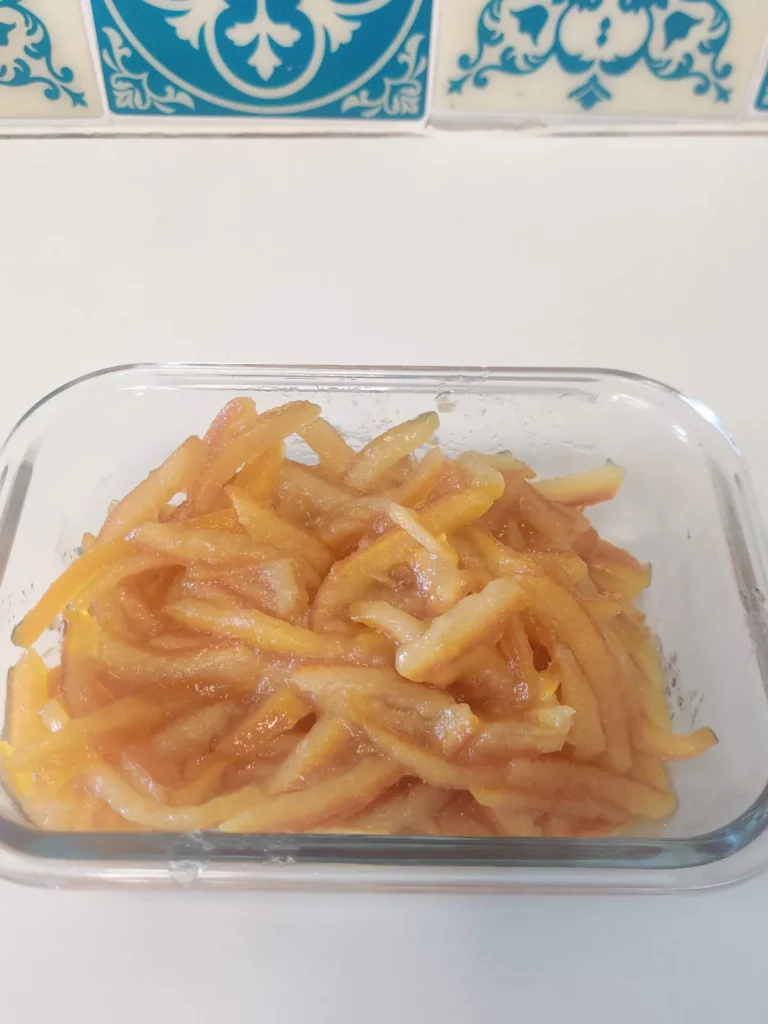
Candied citrus peel is the simple process of candying the peels of oranges, grapefruit, lemon, or pretty much any other citrus fruit you like. The end result is a soft, chewy, sweet, and flavourful citrus peel that can be enjoyed on its own, or even better, mixed into doughs and pastries for other sweets.
Most of the time, you’ll probably throw away the peels of your favourite citrus snack – or maybe put the peels into a compost bin. Instead, you can hold onto them and turn them into a highly versatile ingredient, especially for Christmas baking recipes like German Lebkuchen, British Christmas cake, Italian Panettone, and much more.
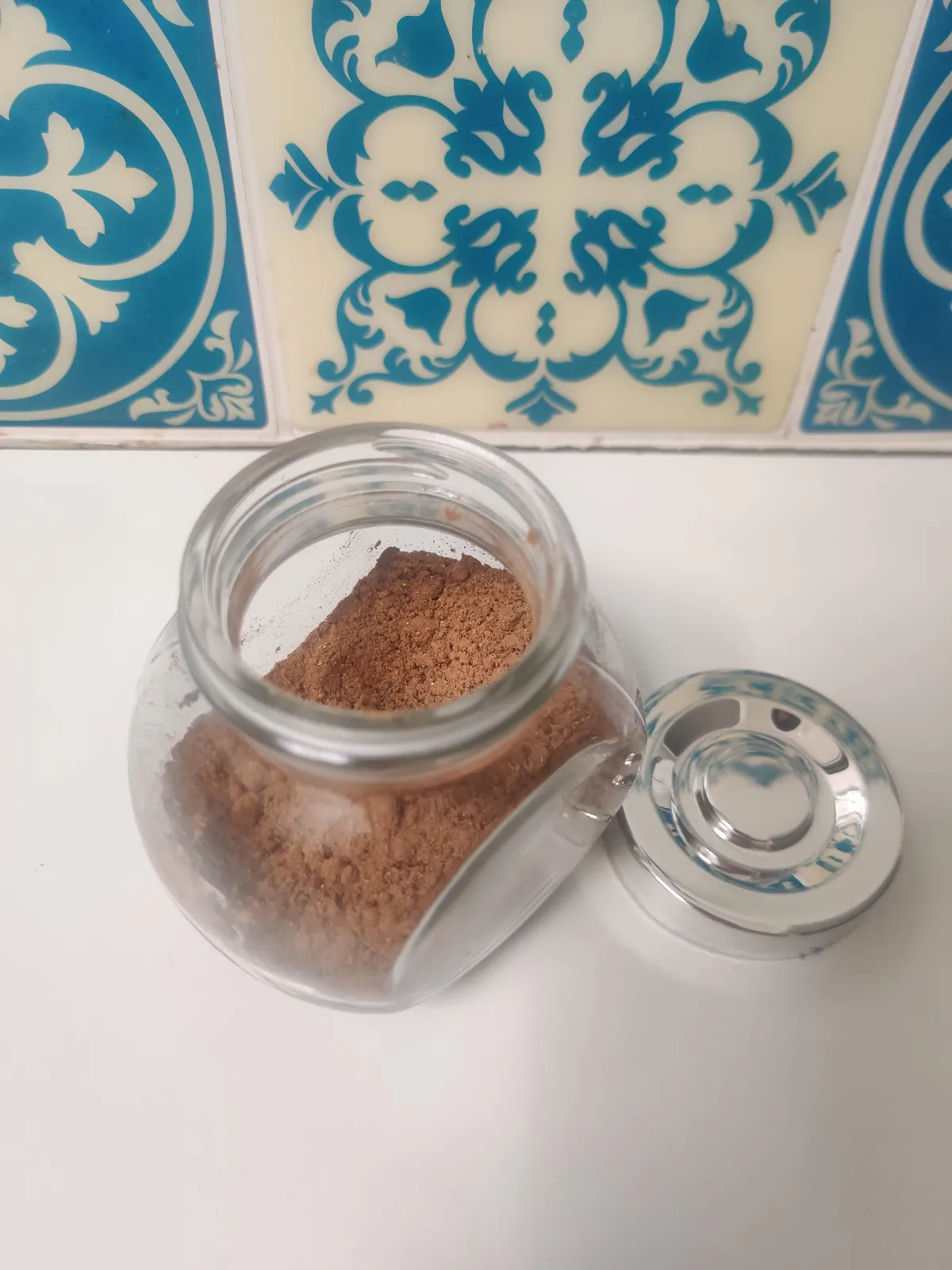

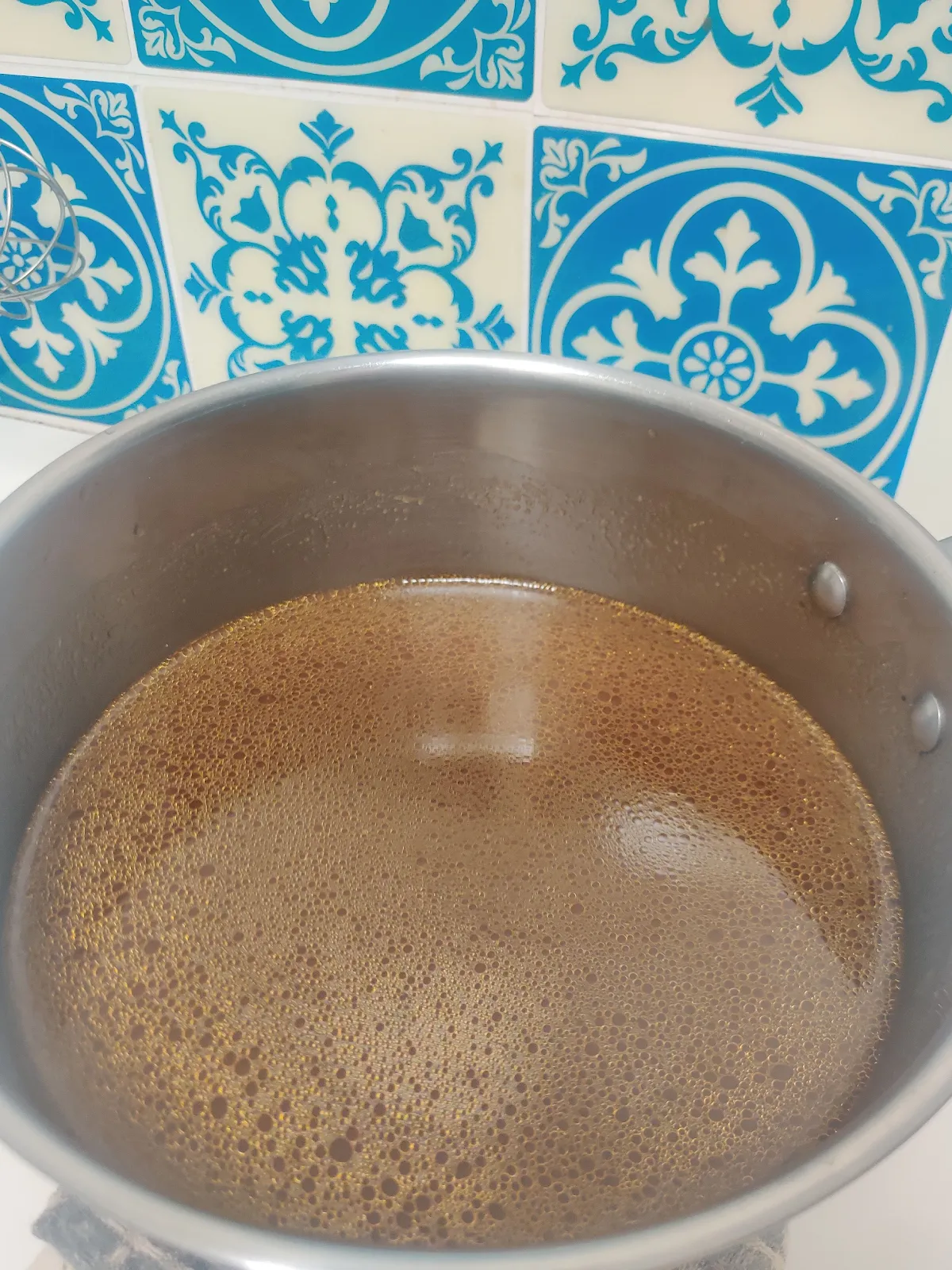


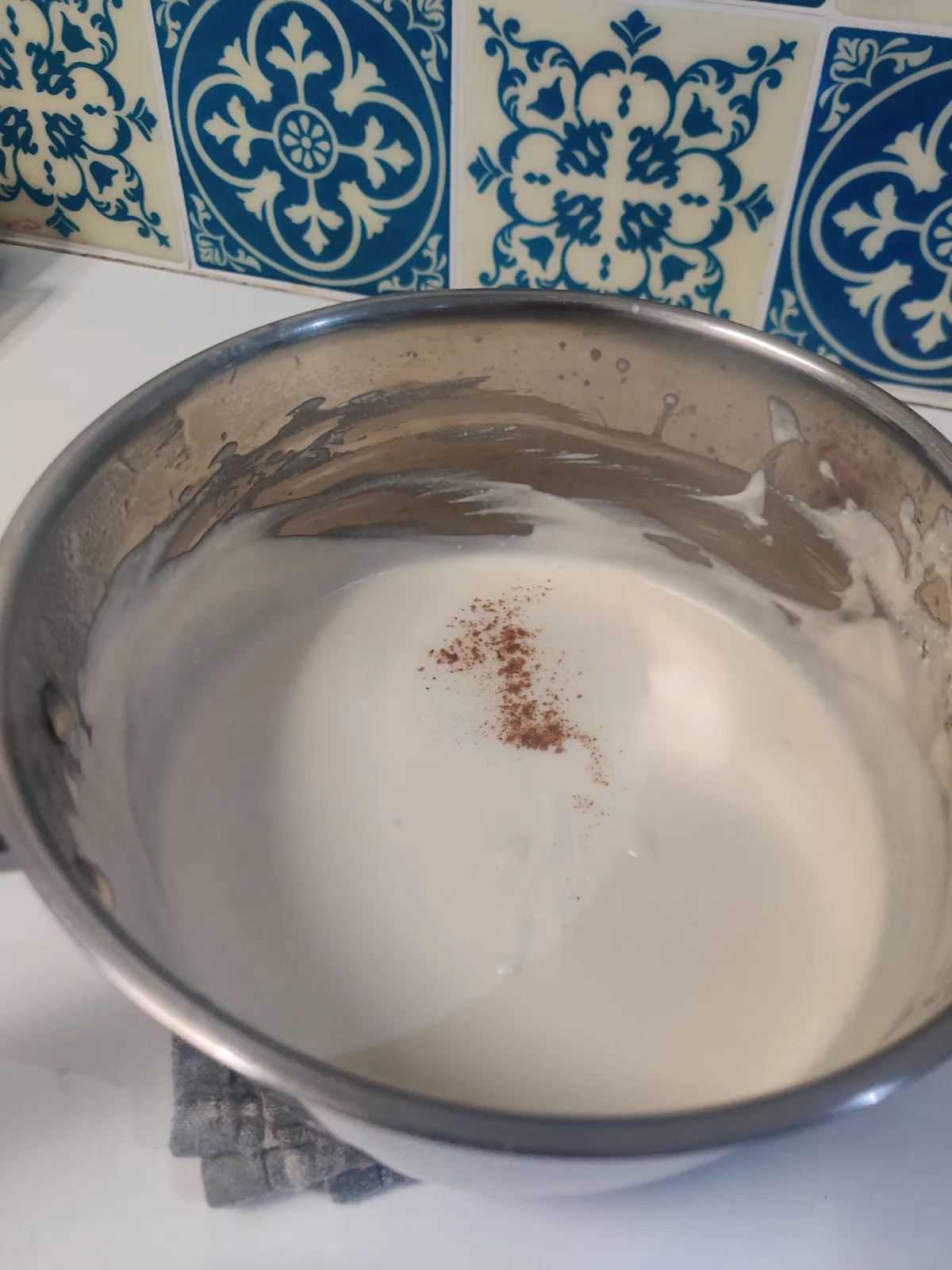

Ingredients for candied citrus peel
Candied citrus peel is pretty straightforward: choose your citrus, then candy it in a simple syrup!
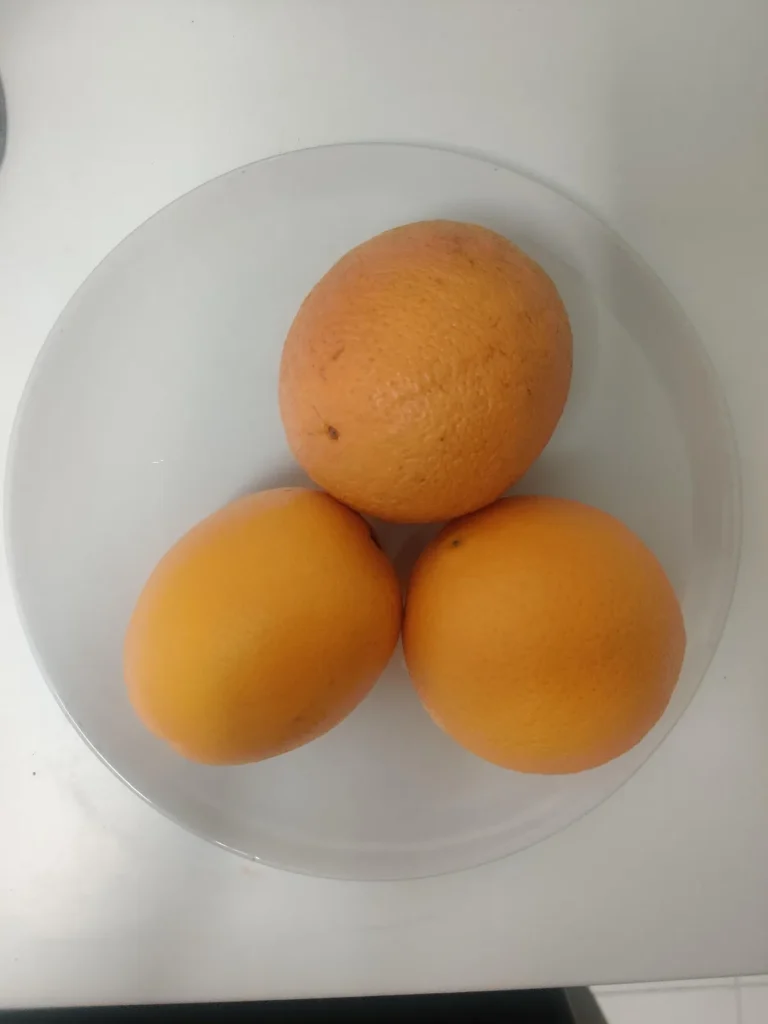
- Citrus: commonly oranges, but grapefruit, lemon, and lime can work just as well. Some fruits are more bitter than others, and some may be a little too strong for some recipes. Orange is a good all-around choice, but think about what you’ll be using it for and choose your citrus accordingly.
- Syrup: nowadays bakers mostly use a simple sugar and water syrup. Just stick with a simple syrup if you just want a cheap and effective candied citrus peel.
Optionally, you can coat the dried candied citrus peel in granulated sugar to give it a crunchy texture. If using as an ingredient, just keep it as-is.
What you can do with candied citrus peel
The wonderful thing about citrus peel is that it’s something you’d probably throw away anyway, so you’re putting it to good use, and you get to enjoy some fresh juice or fruit afterwards. There’s also the question of the remaining syrup water after making it, and guess what? It makes an excellent cordial. Add a little fresh juice or sparkling water, and you’ve got a sweet citrus beverage.
In terms of the candied peel itself, it’s a common ingredient in many baked goods. Finely chopped peel is common in all sorts of Christmas cakes and cookies, like Lebkuchen and Stollen. You can add it to scones, muffins, cookies, or even eat a few as a sweet little snack.
When added to doughs and pastries, finely minced candied peel adds a chewy texture and a lovely citrus flavour. Much of the fruit’s flavour is found in the peel itself, but well, I don’t reckon it’s a good idea to start eating fresh peel anytime soon. Next time you eat some citrus or squeeze some lemon, cut off the peel and store it in a freezer bag for future use.
📜History of candied citrus peel
Like pickling, candying citrus peel is a method of food preservation. Prior to modern refrigeration, European baking recipes commonly used candying to brighten up and lend flavour to sweets – especially at Christmas time when fresh fruit simply weren’t available.
Whereas today we tend to candy in a simple syrup of water and refined sugar, historical preservation techniques included honey or heavily reduced red wine. It was a technique known in antiquity to the Romans and well through the mediaeval ages, where it was seen as a quite extravagant ingredient.
For a far more comprehensive historical overview, I would direct you to the excellent write-up by Turnspit and Table.
Tips & tricks for homemade candied citrus peel
The number one trick for homemade candied citrus peel is to blanch it, several times if necessary, to remove its bitterness. The peel itself is bitter, but blanching removes most of that bitterness.
When peeling your citrus, I find it easier to do with a knife than with a peeler. However you end up peeling it, just make sure to try and mostly get the peel and not the fruit itself. No matter what, you’ll scrape off some of the white pith. A little bit is no big deal, but just scrape off bigger pieces – blanching will deal with the rest.
Don’t rush the candying process. Giving the peel plenty of time in a simmering syrup lets the sugar crystallise more evenly throughout, whereas rushing it can lead to uneven crystallisation and some peel that isn’t properly candied.
Your peels should look translucent when they’re done. After draining out the syrup (keep it!), let them dry off overnight on a drying rack with some greaseproof paper underneath to catch the dripping syrup. You can either coat them in granulated sugar or wash off excess sugar under running water, then store them for future use.
Description
Candied citrus peel is easy to make at home, and it only requires some fresh fruit, sugar, and water. The peel is first blanched to remove bitterness, then simmered in syrup for about an hour. A flexible ingredient that can be used in all sorts of Christmas cakes, cookies, and other baked goods.
Ingredients
Instructions
-
Using a knife or vegetable peeler, peel the fruit in strips. Avoid cutting too deep to the fleshy bits, and try not to peel too much of the white pith.
-
Place the peels into a saucepan, cover with cold water, then bring to a boil. Strain out the peels and drain the water. Repeat this blanching process 2+ more times to remove bitterness.
-
In a new saucepan, add 400g sugar to 400mL water. Gently bring to a boil, stirring well to ensure sugar is dissolved.
-
Reduce to a gentle simmer then add the blanched peels to the syrup. Simmer for about 45-60 minutes. The syrup should be thick and the peels should look translucent.
-
Remove the peel with tongs or a slotted spoon and lay onto a wire rack with greaseproof paper underneath. Allow to dry uncovered at room temperature overnight.
Optional: use the remaining syrup as a cordial. Dilute with water or juice and enjoy. -
On the next day, place the peels into an airtight container and refrigerate or use as-is.
Optional: toss the peels in granulated sugar before storing.
Note
- Storage: can be kept refrigerated in an airtight container for about one month. Frozen raw fruit peels can be kept in a freezer bag for several months to be turned into candied peels.
- Applications: candied peels can be finely minced and rolled into pastry doughs and cake batters. It is commonly used in Christmas cakes, panettone, Lebkuchen, and Stollen.
- Chocolate Dip: candied peel can be enjoyed as a sweet snack with melted dark chocolate dip.
- Used Syrup: the leftover syrup used to simmer the peels can make an excellent cordial or it can be added to a bowl of oatmeal or yoghurt.
