

Hello again there, folks. One of Germany’s loveliest Christmas treats (and there are many!) is the beloved gingerbread, or Lebkuchen. This Christmas classic is a wonderful treat for friends and family, and it’s fairly easy to make.
What are Lebkuchen?
Lebkuchen is German for “gingerbread,” so it’s probably something you’ve already been enjoying for several years or decades now, although you may not have had the pleasure of enjoying traditional German gingerbread.
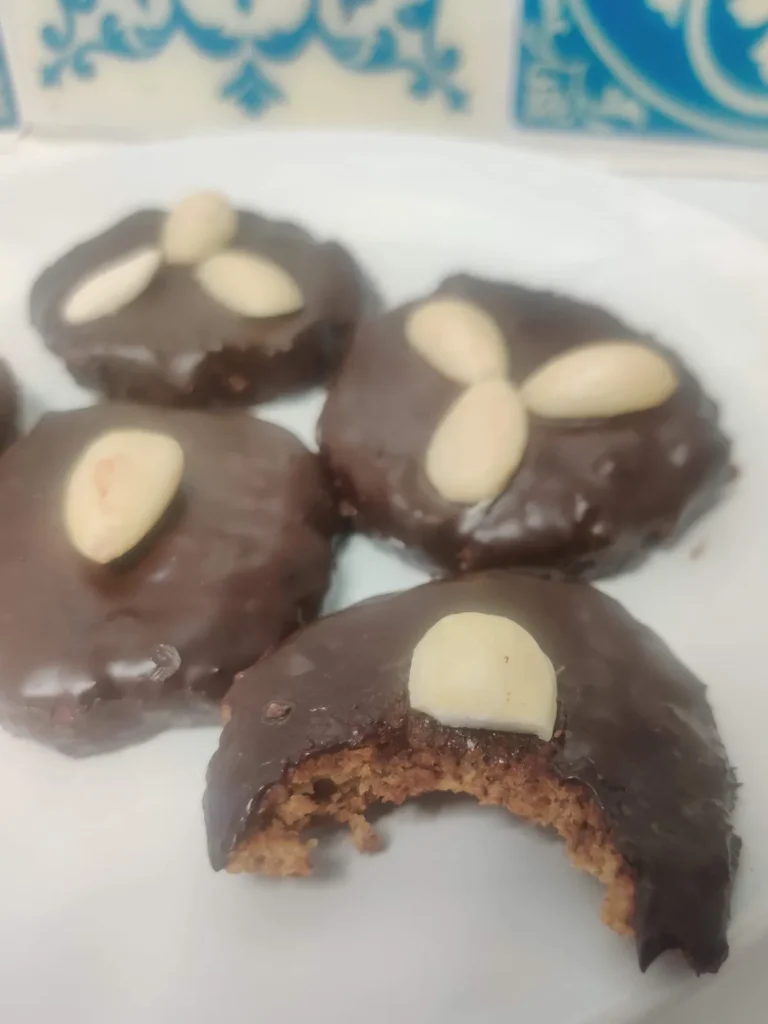
Lebkuchen are soft and chewy, packed with flavourful spices, and a perfect accompaniment to a warm glass of mulled wine (Glühwein) or an afternoon or evening cuppa.



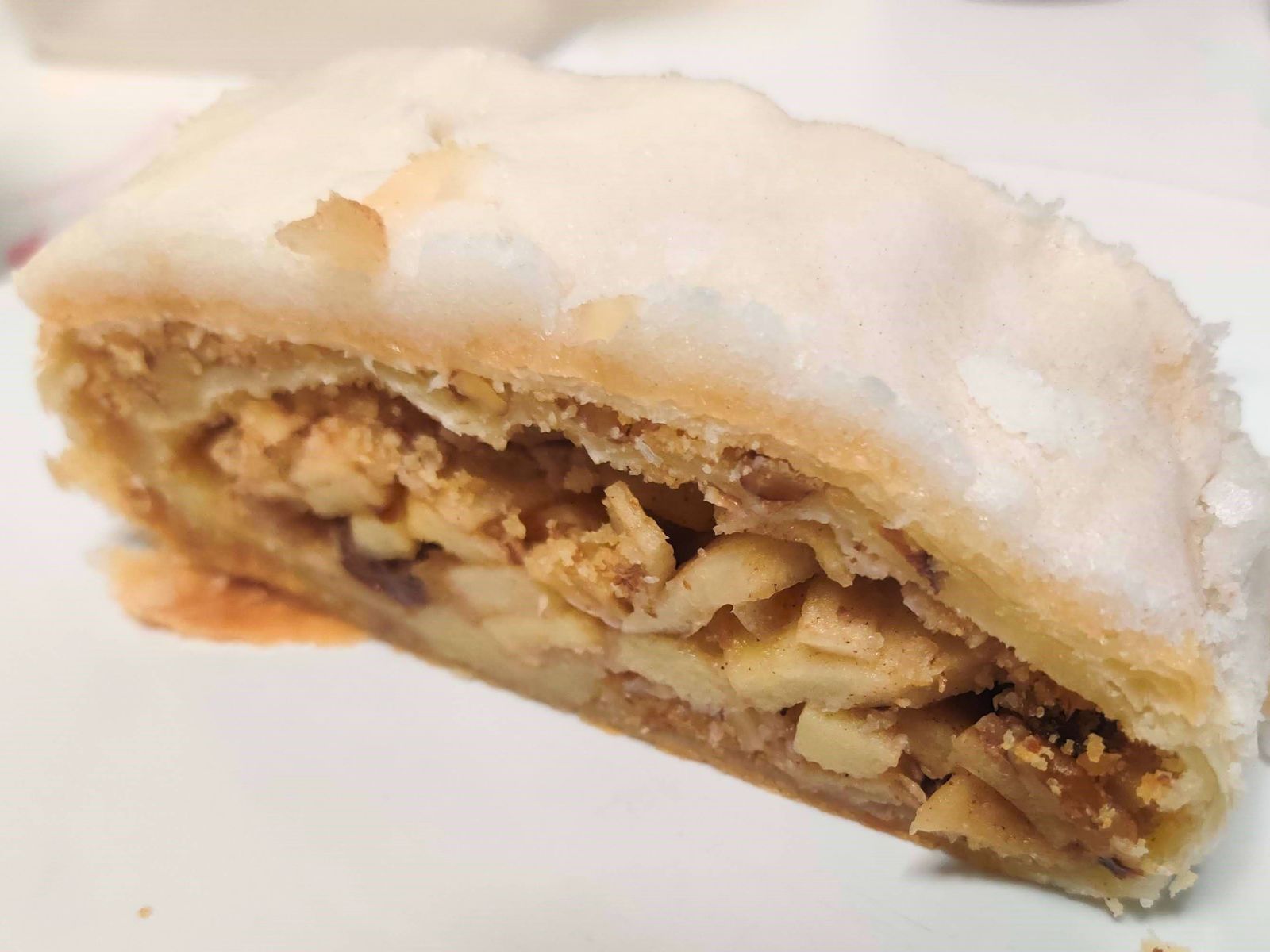
The exact recipe does change quite a bit from region to region within Germany, so I’ve gone with an inspired take on the Nuremberg classic Elisenlebkuchen. Some legends say that they were named in the 19th century after a baker’s daughter, Elisabeth. They’re amongst the more typical versions of Lebkuchen you might find in the supermarket around Christmas time.
Ingredients used in Lebkuchen
Lebkuchen are quite easy to prepare and bake, but there are several key ingredients and steps involved that might make it seem complicated. It doesn’t need to be. You can use shop-bought ingredients for one or several, but make as much at home as possible, especially the two most important ingredients: the gingerbread spice mix and the candied citrus peel.
Dough
There are several methods of preparing Lebkuchen dough, and they vary historically and from region to region. Modern official Nuremberg Lebkuchen recipes legally cannot contain more than 10% flour by weight – and Elisenlebkuchen in particular cannot have any at all. Instead, the dough largely consists of nuts and candied citrus peel.
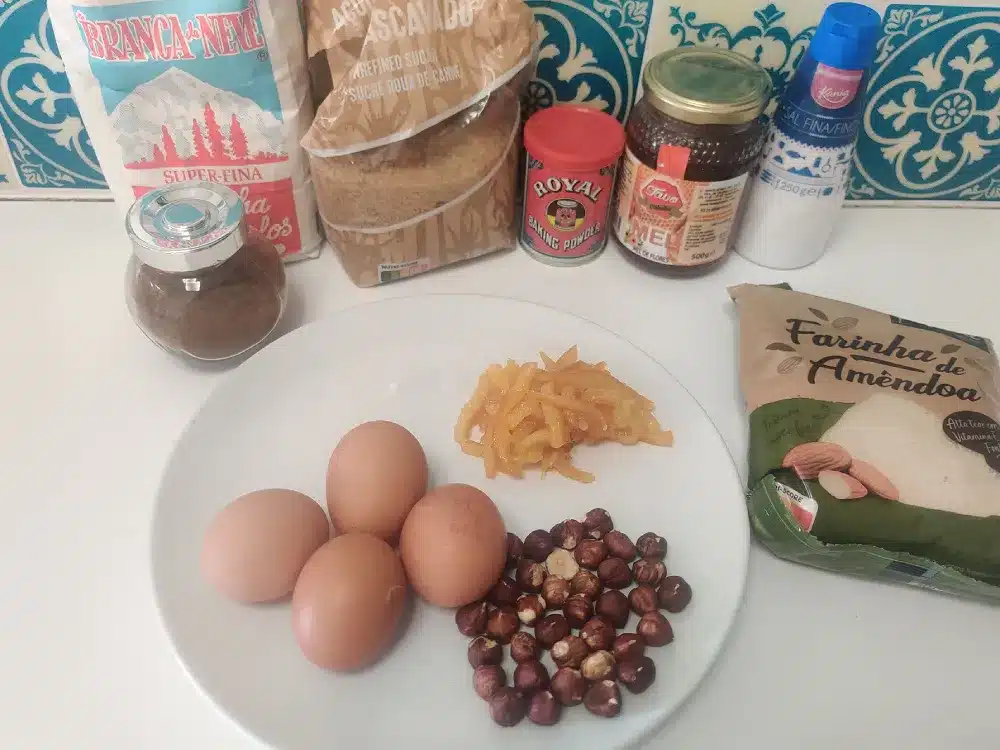
- Almond Flour: either use whole almonds blended into a fine flour, or purchase almond flour. Almond is used in marzipan and it’s certainly a typical staple for Lebkuchen as well.
- Hazelnut Flour: a wonderful nut for the Christmas season, but one that may be hard to find pre-ground. No bother, simply blend raw hazelnuts and pulse until it becomes a fine flour.
- Candied Citrus Peel: perhaps one of the most important ingredients (after the spice mix). You can use shop-bought candied lemon and orange, but making your own homemade candied citrus peel is very easy and packs plenty of flavour. Importantly, freshly candied citrus peel helps to bind the nut flours and keeps the cookies soft and chewy.
- Eggs: helps to bind the dough.
- Sweeteners: honey is traditional and historic, but brown sugar is also added to several modern recipes.
- Backoblaten: traditional, but optional. These ultra-thin wafers help to hold the soft dough in place as the Lebkuchen bake. These can be ordered online, if you want a fully authentic version.
- Other: marzipan and walnuts are used in several Lebkuchen dough recipes. The overall proportion of all nuts combined should make up at least 25% of the dough’s weight in the official recipe (ideally, even 40-60% is preferred), but if baking at home don’t fuss too much about having exact measurements.
Spice Mix
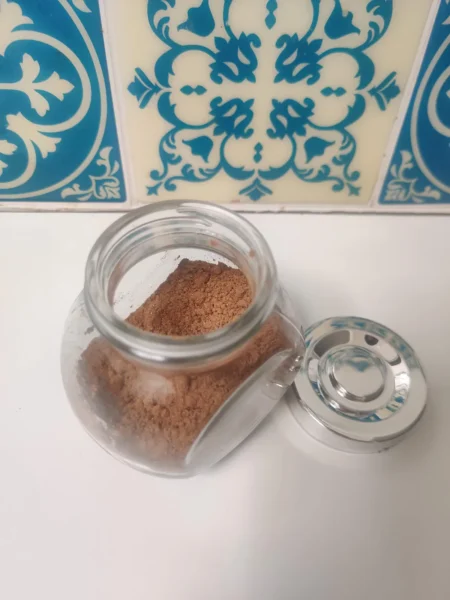
The wonderful aroma of Lebkuchen comes from the quality of your spice blend. My Lebkuchen Gewürz recipe is quick and easy and gives you a flexible base not only for making these Lebkuchen but for all sorts of other Christmas baking needs. You can even use it in your coffee or tea. You don’t have to use every single spice listed below, but your mix should be fresh and fragrant to your liking.
- Cinnamon
- Ginger
- Cloves
- Nutmeg
- Star Anise
- Cardamom
- Allspice
- Coriander
Glazing
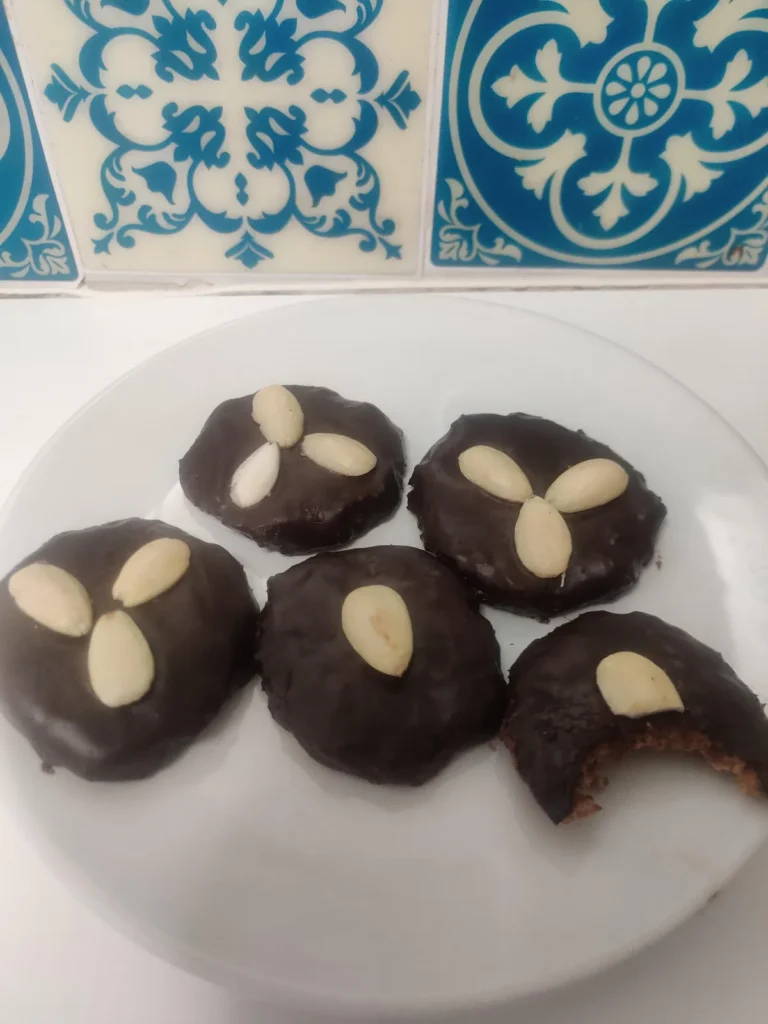
- Chocolate: I find that a simple chocolate glaze works best for Elisenlebkuchen. You should get a finish that’s glossy but with a soft texture to complement the chewiness of the cookie itself.
- Vanilla: another traditional glaze often used for Lebkuchen, although I find it best when it’s mixed and matched with chocolate glazed Lebkuchen.
- Almond Topping: a typical decoration for Lebkuchen is to use blanched almond slivers, usually three. I like to think that this represents the Holy Trinity and the Backoblaten represents the host, or the life (Leben) of Our Saviour Jesus Christ; in any case, it’s a nice added touch. To blanch almonds, simply put them in boiling water for a few seconds, strain, let cool, then pop off the skin with your fingers. Slice in half, lengthwise, and keep for decorating the finished, glazed Lebkuchen.
How to serve Lebkuchen
Lebkuchen are best enjoyed fresh after baking, but the spice aroma and flavour can be even better on the next day. They’re common practically everywhere in Germany during the Christmas season, and you’ll often see them sold at bakeries, in supermarkets, and at the world-famous Christkindlmarkt kiosks found in many towns and cities.
Of course, this also means that they’re often eaten in good company, whether with friends or family, and with a nice warm cup of tea or coffee – or perhaps even some Glühwein!
📜History of German Lebkuchen
Lebkuchen can be traced back as early as the mediaeval period, when crusaders returned to the Holy Roman Empire from campaigning in the Holy Land. Connection to the spice trade network exposed them to ingredients such as ginger. The culinary use of spices like ginger to make honeyed cakes may have spread through Franconian Monks within the Holy Roman Empire. In any case, spice trade increased significantly during this period in towns such as Nuremberg (located in Franconia).
While ginger has been used in the Graeco-Roman world back in antiquity, it was predominantly used for medicinal purposes and was prohibitively expensive. In any case, it was not until 1296 that early records from Ulm attest to the production of Lebkuchen. By 1395, it had been refined further in Nuremberg. The love for Lebkuchen only intensified, and by the early 17th century Nuremberg became the most famous centre for Lebkuchen baking to this very day.
On 1 July, 1996, the Nürnberger Lebkuchen became recognised as a protected geographical indication (PGI) product within the European Union. Elisenlebkuchen and various other types can be made with various ingredients and techniques, but Nürnberger Lebkuchen can only be legally sold provided that it contains no more than 10% wheat flour, at least 25% nut flour (almond, hazelnut, walnut), and honey as the sweetener rather than sugar. Oh, and it must be made in Nuremberg! If you’re making Lebkuchen at home, make them however you like, but I find that these rules are in place for good reason – they make a soft yet dense and wonderful cookie!
Tips & tricks for homemade Lebkuchen
If you’re keen on making homemade Lebkuchen from scratch, then I highly recommend using as many homemade ingredients as possible – especially the candied citrus peel and spice mix since they are the heart of the flavour and will make your Lebkuchen stand out from the rest.
Making your own hazelnut and/or almond flour isn’t too difficult, but you’ll need a food processor. Pulse until it’s quite fine in consistency. You can add the candied citrus peel to the blender early on and this can help make the ground flours more uniform and consistent. If your candied citrus peels are syrupy, you can toss them in a little flour first to make them easier to mince.
To mix the dough, you can either do it all in a food processor or simply mix well by hand, which is what I did.
When baking, let smell be your guide. When your kitchen smells amazing, it’s a pretty good sign that they can come out of the oven.
Description
This recipe for German Lebkuchen, specifically Elisenlebkuchen, features a lovely aromatic spice mix, a dough filled with nut flour and candied citrus peel, and a chocolate glaze with almond topping. Enjoy these wonderful Christmas gingerbread cookies packed full of flavour and with a soft, chewy texture.
Ingredients
Dough
Glazing
Instructions
Mise en Place
-
Finely mince all candied citrus peel with a knife. Optionally, toss in flour. Set aside.
Making Lebkuchen Dough
-
Pulse raw hazelnuts and almonds in a food processor until they're a fine flour. Add minced candied citrus peel halfway through. When combined, set aside.
-
In a mixing bowl, beat eggs by hand or with an egg beater until foamy, about 1 minute with a beater. Add honey and sugar and mix to combine.
-
Add almond, hazelnut, and citrus peel to the bowl and mix to combine. Add baking powder, salt, and gingerbread spice mix and mix by hand or in a stand mixer for about 2-3 minutes until combined. The dough should be slightly wet and sticky.
If the dough is too wet, add a little more ground hazelnut and almond until it's workable. -
Optional: place dough over plastic wrap and flatten to about 2cm thickness, cover with plastic wrap and refrigerate overnight. This helps the dough firm up for cutting and lets the aromas develop.
Baking the Lebkuchen
-
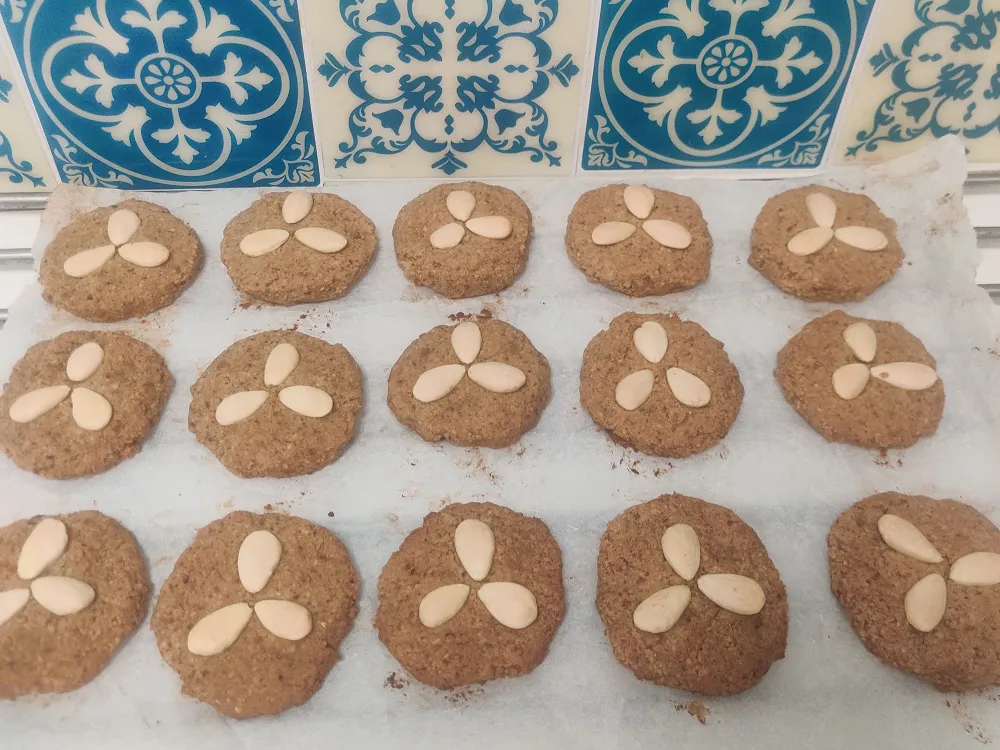
Preheat the oven to 180°C (350°F). Place dough on a smooth surface and flatten to about 1.5cm thickness. Using a mould, knife, or the rim of a coffee mug, portion out cookies and place on greaseproof paper on a baking tray. Traditional Lebkuchen had a large diameter of about 11.5cm, but you can make yours smaller or bigger, if you like. A 60-70mm diameter is good for small Lebkuchen; a 90mm diameter is a reasonable size for large Lebkuchen.
If using Backoblaten, portion directly onto the centre of each Oblaten and flatten to the edges. -
-
Continue portioning out cookies, then combine any leftover dough to make the rest. Use 3-4 fingers to gently press down the centre of each cookie until they're round and uniform, about 1-1.5cm thick and dome-like in shape. Dip fingers in water occasionally to reduce dough sticking to fingers.
-
Place on the middle rack of the oven for about 20/25 minutes (depending on small/large cookie size). Remove from oven when edges turn a light golden brown, or when the aroma is most pleasant.
-
Place on a wire rack and allow to cool completely at room temperature overnight.
Glazing & Finishing (Optional)
-
Once Lebkuchen have fully cooled and rested overnight, chop chocolate into smaller chunks. In a small saucepan or over a bain-marie, melt the chocolate over medium-low heat and add 1 tbsp coconut oil. Remove from heat when fully melted and uniform.
-
Brush the chocolate glaze over each Lebkuchen and set onto a wire rack over greaseproof paper to catch any drippings. Repeat until all Lebkuchen are glazed. Allow to cool and set for about 15-20 minutes.
-
In a small saucepan, bring water to a boil then add raw almonds. Blanch for about 10 seconds then remove from heat and drain. Add cold water then drain. Begin peeling all almonds by pinching the skin and popping the almonds out.
-
Using a sharp knife, slice each almond in half, lengthwise. Place three sliced almonds atop each Lebkuchen.
Note
- Storage: can be kept at room temperature in an airtight container for about a week. Flavours peak after one or two days. Can be frozen (but don't glaze them) for about 2 months.
- Variations: there are several variations of Lebkuchen, many quite different from Elisenlebkuchen. This recipe is inspired by Elisenlebkuchen, one of the most popular varieties.
- Yield: this recipe should give you about 30-35 Lebkuchen, depending on how big you want them.